
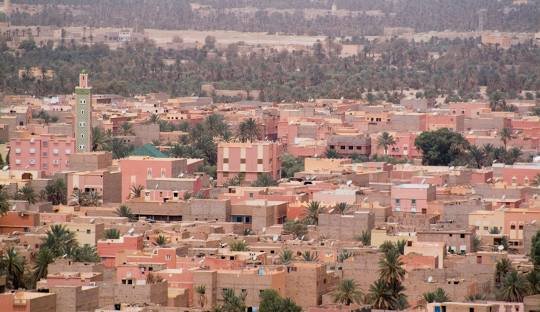
Is Morocco Safe to Visit? Traveling to Morocco is an exciting adventure for global travelers. We provide crucial safety tips and cultural insights for a secure and confident journey through its vibrant cities and deserts.
With its rich cultural heritage and breathtaking landscapes, Morocco attracts millions of visitors each year. However, like any travel destination, it’s natural to have questions about Morocco safety.
This guide aims to provide you with a comprehensive overview of what to expect when traveling to Morocco, helping you make informed decisions about your trip.
Key Takeaways
- Understanding local customs and laws can enhance your safety.
- Staying informed about local conditions is crucial.
- Common safety precautions can minimize risks.
- Morocco’s tourist areas are generally considered safe.
- Being aware of your surroundings is key to a safe trip.
Morocco Safety Overview: What to Expect in 2023
Travelers planning to visit Morocco in 2023 need to be aware of the current safety dynamics. Morocco has been taking significant steps to enhance tourist safety, making it a more secure destination.
Current Safety Situation
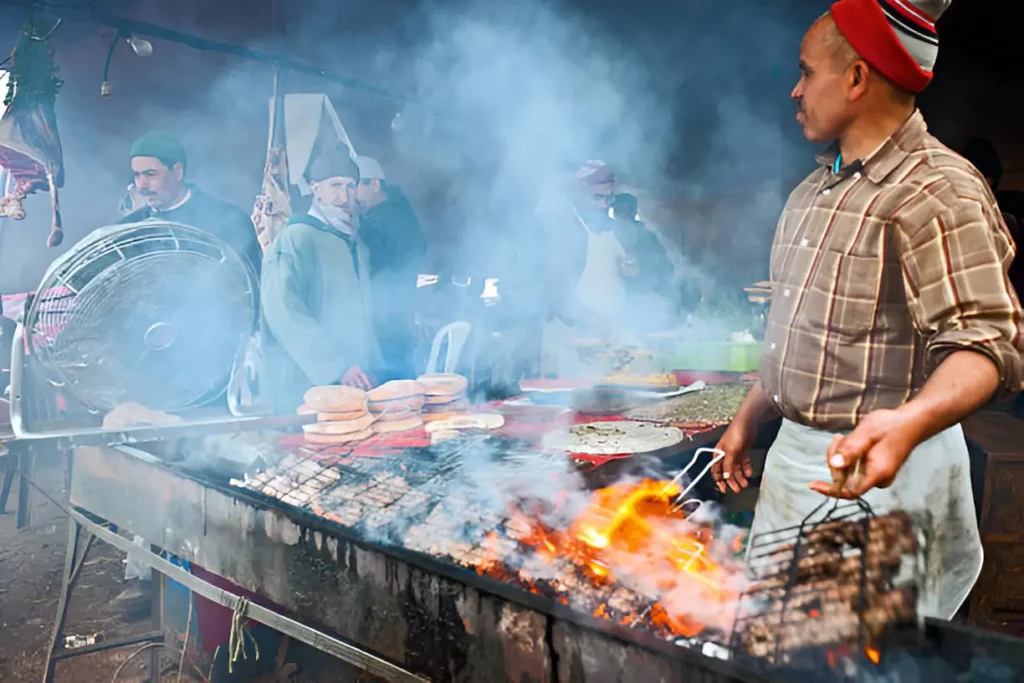
The current safety situation in Morocco is generally stable, with the government prioritizing tourist safety. However, as with any popular tourist destination, petty crimes such as pickpocketing and scams can occur. Visitors are advised to remain vigilant, especially in crowded areas and tourist hotspots.
Government Travel Advisories
Government travel advisories from various countries provide valuable insights into Morocco’s safety. For instance, the U.S. Department of State issues regular updates, categorizing parts of Morocco as Level 2: Exercise increased caution due to specific concerns. It’s essential for travelers to check the latest advisories from their government’s travel website before planning their trip.
By staying informed about the current safety situation and adhering to government travel advisories, visitors can have a safe and enjoyable experience in Morocco.
Is Morocco Safe to Visit? The Real Answer
The safety of Morocco is a complex issue that involves multiple aspects, including crime statistics, tourist-specific safety concerns, and the general perception of safety versus reality.
Crime Statistics Compared to Other Countries
Morocco’s crime rate is often compared to other popular tourist destinations. According to the United Nations Office on Drugs and Crime, Morocco has a lower crime rate compared to many countries in Europe and North America. For instance, the homicide rate in Morocco is significantly lower than in major cities like New York or Los Angeles.
- Morocco’s overall crime index is 45.32, which is lower than the United States (47.68) and many European countries.
- Theft and petty crime are the most common crimes, but violent crimes are relatively rare.
Tourist-Specific Safety Concerns
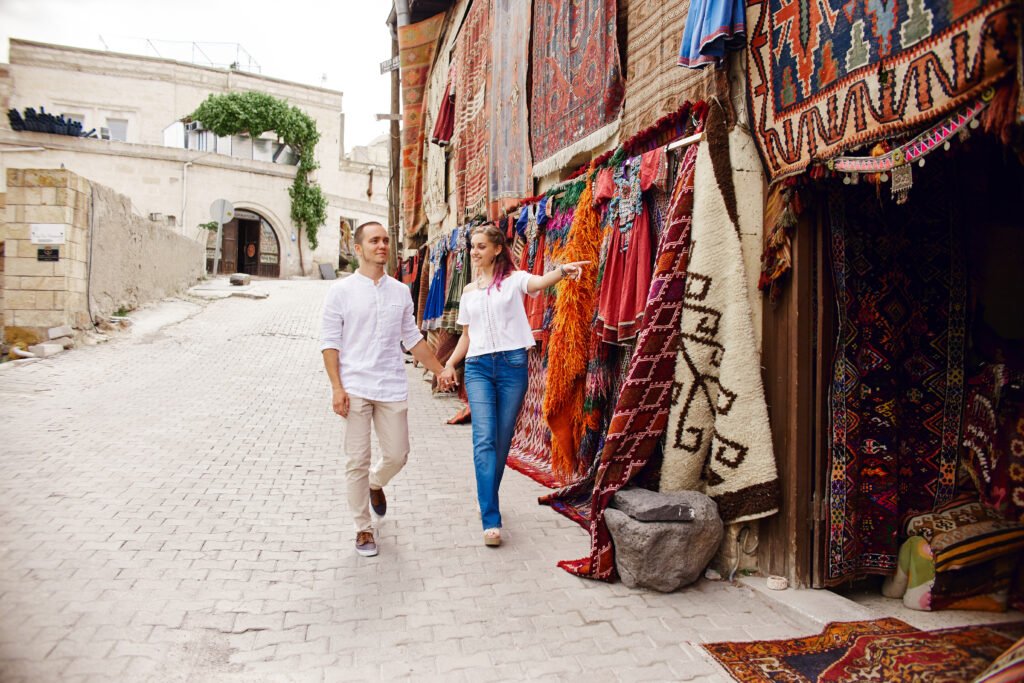
Tourists in Morocco often face specific safety concerns, including:
- Petty theft and pickpocketing in crowded areas and tourist hotspots.
- Scams targeting tourists, such as fake guides or overpriced goods.
- Harassment, particularly for solo female travelers.
Being aware of these potential issues can help tourists take necessary precautions to stay safe.
General Safety Perception vs. Reality
The general perception of Morocco’s safety often diverges from reality. While some may view Morocco as unsafe due to media portrayals, the reality is that most areas frequented by tourists are generally safe. Understanding the local culture and customs can significantly enhance a traveler’s safety.
Key statistics:
- Most tourists visit Morocco without major incidents.
- Local authorities have increased efforts to improve tourist safety.
Common Safety Concerns in Morocco
When traveling to Morocco, understanding the common safety concerns can significantly enhance your travel experience. Morocco is a country with a rich cultural heritage and diverse landscapes, attracting millions of tourists each year. However, like many popular tourist destinations, it faces certain safety challenges.
Petty Theft and Pickpocketing
Petty theft and pickpocketing are common issues in tourist areas and crowded cities like Marrakech and Casablanca. Tourists are often targeted in busy markets and public transportation. To minimize the risk, it’s advisable to keep valuables secure and be mindful of your belongings, especially in crowded areas.
Harassment Issues
Harassment can be a concern for travelers, particularly women, in Morocco. It’s not uncommon for tourists to experience unwanted attention or catcalls. Dressing modestly and being aware of your surroundings can help mitigate these issues. Additionally, learning a few basic phrases in Arabic or French can go a long way in showing respect for the local culture.
Terrorism Risk Assessment
Morocco has been proactive in combating terrorism, and the risk to tourists is generally considered low. However, it’s always wise to stay informed about the current situation and follow local news and government advisories. Avoiding areas of political unrest or demonstrations can also help minimize risks.
| Safety Concern | Precaution | Additional Tips |
|---|---|---|
| Petty Theft | Secure valuables | Be aware of surroundings |
| Harassment | Dress modestly | Learn basic Arabic phrases |
| Terrorism | Stay informed | Follow local news |
Regional Safety Guide: Where to Go and Where to Be Cautious
As you plan your trip to Morocco, it’s essential to grasp the regional safety nuances. Morocco is a vast country with diverse regions, each having its unique safety characteristics.
Marrakech and Casablanca Safety
Marrakech and Casablanca are generally considered safe for tourists, with low crime rates compared to other major cities worldwide. However, petty theft and scams can occur, especially in crowded areas like Jemaa el-Fnaa in Marrakech. Visitors should remain vigilant and keep an eye on their belongings.
Fez, Chefchaouen, and Northern Cities
Fez, with its ancient medina, can be a bit challenging due to its narrow streets and crowded markets. Be cautious of pickpocketing and avoid displaying signs of wealth. Chefchaouen, known for its relaxed atmosphere, is generally safe, but as with any popular tourist spot, be mindful of your surroundings.
Coastal Areas and Beach Towns
Coastal areas like Essaouira and Taghazout are popular for their beautiful beaches and relaxed vibe. These areas are generally safe, with a strong focus on tourism. However, be cautious when swimming, as some beaches can have strong currents.
Desert Regions and the Atlas Mountains
The Desert Regions and the Atlas Mountains offer breathtaking landscapes and unique cultural experiences. While generally safe, these areas can be remote. Ensure you’re traveling with reputable tour operators who are familiar with the terrain and local conditions.
Western Sahara and Border Regions
The Western Sahara region and border areas are subject to different safety advisories due to the political situation. Check the latest travel advisories before planning a visit to these areas, as conditions can change.
By understanding the safety nuances of each region, you can better plan your Moroccan adventure and enjoy a safe and memorable trip.
Safety Tips for Different Types of Travelers
Morocco, with its rich culture and history, attracts a diverse range of travelers, each with unique safety needs. Understanding these needs is crucial for a safe and enjoyable trip.
Women Traveling in Morocco
For women traveling alone or with friends, Morocco can be a wonderful destination, but it’s wise to be prepared. Dress modestly to respect local customs and minimize unwanted attention. “In Morocco, women are expected to dress conservatively, covering their shoulders and knees,” notes a travel guide. Avoid traveling alone at night and use reputable taxi services or ride-sharing apps.
LGBTQ+ Travelers
While Morocco has made strides in tolerance, LGBTQ+ travelers should exercise caution. Same-sex relationships are not widely accepted, and public displays of affection can attract unwanted attention. Researching LGBTQ+-friendly accommodations and tour operators can enhance your experience.
Family Travel Safety
Morocco is generally a family-friendly destination, with many attractions suitable for children. However, keep a close eye on children in crowded areas like markets and train stations to prevent getting separated. Ensuring your children are aware of basic safety rules, like staying close to you, is also advisable.
Solo Traveler Precautions
Solo travelers can have a fulfilling experience in Morocco, but it’s essential to be mindful of your surroundings. Avoid displaying signs of wealth, such as expensive jewelry or watches, and be cautious when using ATMs or exchanging money. Connecting with other travelers through hostels or group tours can also enhance your safety.
As one solo traveler noted, “The key to safe solo travel in Morocco is being aware of your surroundings and trusting your instincts.”
Navigating Moroccan Markets and Tourist Areas Safely
Morocco’s tourist areas are filled with excitement, and with the right knowledge, you can enjoy them without a hitch. The key to a safe and enjoyable experience lies in understanding the local culture and being aware of your surroundings.
Haggling Without Conflict
Haggling is an art in Moroccan markets. To do it effectively, start by researching the item’s value beforehand. When haggling, be friendly and smile; it’s a negotiation, not a confrontation. Start with a lower offer than you’re willing to pay, and be prepared to walk away if the price isn’t right. This shows you’re not desperate, and often, the vendor will call you back with a better offer.
Avoiding Common Scams in Souks
Be cautious of overly friendly locals who approach you with “deals” that seem too good to be true. Common scams include being led to a different shop or being shown low-quality goods. Always be wary of deals that require you to make a purchase quickly or pay with cash upfront. Trust your instincts; if a situation feels off, it’s okay to walk away.
Dealing with Persistent Vendors and Guides
Persistent vendors and guides can be challenging. A polite but firm “no thank you” usually suffices. If they continue to follow, it’s acceptable to tell them you’re not interested in buying anything and need to leave. Avoid engaging in lengthy conversations or showing interest in their goods if you’re not planning to buy.
By being informed and prepared, you can enjoy the vibrant markets and tourist areas of Morocco safely. Remember, the goal is to have a positive experience, not to avoid all interactions.
Health and Medical Safety in Morocco
As you plan your trip to Morocco, it’s vital to be aware of the health and medical safety considerations to ensure a healthy journey. Morocco, like many travel destinations, has its unique health challenges that travelers should be prepared for.
Vaccinations and Health Preparations
Before traveling to Morocco, consult your healthcare provider about recommended vaccinations. Typically, routine vaccinations are advised, and depending on your travel plans, additional vaccinations for Hepatitis A and Typhoid may be recommended. It’s also wise to ensure your prescriptions are up to date and consider any necessary medications for travel-related conditions.
Food and Water Safety
To avoid foodborne illnesses, it’s crucial to be mindful of what you eat and drink. Stick to bottled or filtered water and avoid consuming tap water. When dining, choose busy restaurants that serve freshly cooked food, and avoid undercooked meat or raw vegetables. Morocco’s street food is delicious, but ensure it’s cooked properly to avoid health issues.
Healthcare Access for Tourists
Morocco has a decent healthcare system, particularly in major cities like Marrakech and Casablanca, where there’s access to quality medical care. However, it’s essential for travelers to have travel insurance that covers medical expenses. Knowing the location of nearby hospitals and clinics can also be helpful.
Seasonal Health Concerns
Depending on the time of year you visit, there may be specific health concerns. For instance, during the summer, heat exhaustion is a risk, especially when exploring the desert regions. In contrast, the cooler months may bring other health considerations. Staying informed about local health advisories can help you prepare.
By being aware of these health and medical safety aspects, travelers can enjoy a safer and more enjoyable trip to Morocco.
Transportation Safety
Morocco’s diverse transportation options require awareness of safety practices to ensure a pleasant trip. Whether you’re navigating bustling city streets or venturing into the desert, understanding the safety aspects of various transport modes is essential.
Road Safety and Driving Conditions
Driving in Morocco can be challenging due to varying road conditions and local driving habits. Renting a car or hiring a driver who is familiar with the roads can significantly enhance safety. Be prepared for aggressive driving and ensure your vehicle is in good condition.
Public Transportation Tips
Public transportation in Morocco, including buses and trains, is generally safe and reliable. Supratours trains are a popular option for tourists, offering comfortable and efficient travel between major cities. Always be mindful of your belongings, especially in crowded areas.
Taxi and Rideshare Safety
Taxis are widely available in Morocco, but it’s crucial to use reputable services. Petit taxis are suitable for short journeys within cities, while Grand Taxis are better for longer trips. Always agree on the fare before starting your journey or ensure the meter is used.
Desert Tours and Excursion Safety
Desert tours can be an exhilarating experience, but safety should not be compromised. Choose reputable tour operators who provide well-maintained vehicles and knowledgeable guides. Always wear appropriate clothing and stay hydrated during desert excursions.
Emergency Information and Resources
In case of an emergency while in Morocco, having the right contact information and resources can be a lifesaver. Being prepared is key to handling unexpected situations effectively.
Important Phone Numbers
It’s crucial to have important phone numbers handy. The Moroccan emergency number is 112 or 19 for police. For medical emergencies, dial 15. In case of a fire, call 18 or 112. Keep these numbers saved in your phone or written down in a safe place.
Embassy and Consulate Information
If you’re a U.S. citizen, the U.S. Embassy in Rabat is your primary point of contact for emergencies. The embassy can provide assistance with lost passports, medical emergencies, and other situations. Make sure to register with the Smart Traveler Enrollment Program (STEP) to receive important safety and security updates.
Travel Insurance Recommendations
Having comprehensive travel insurance is highly recommended. Look for policies that cover medical emergencies, trip cancellations, and evacuations. Some insurance providers also offer coverage for adventure activities, which can be useful if you plan on exploring Morocco’s diverse landscapes.
Handling Emergency Situations
In an emergency, stay calm and follow local instructions. For non-life-threatening situations, contact your tour operator or local guides for assistance. In serious cases, don’t hesitate to contact your embassy or consulate. Being aware of your surroundings and having a plan can make a significant difference.
Conclusion: Enjoying Morocco Safely
Morocco can be a safe and enjoyable destination for travelers who are well-prepared and informed. By understanding the local culture, being aware of potential safety concerns, and taking necessary precautions, visitors can have a rewarding experience in this beautiful country.
To ensure a smooth trip, it’s essential to follow Morocco travel tips, such as being mindful of your belongings, respecting local customs, and staying informed about local conditions. With its rich history, vibrant culture, and stunning landscapes, Morocco has much to offer, from the bustling streets of Marrakech to the serene desert landscapes.
By taking the right precautions and being aware of your surroundings, you can enjoy Morocco safely and make the most of your trip. Whether you’re exploring the souks, relaxing on the coast, or trekking through the Atlas Mountains, Morocco is a destination that promises to leave a lasting impression.
FAQ
Is Morocco a safe country for tourists to visit?
Morocco is generally considered safe for tourists, with low rates of violent crime. However, as with any popular tourist destination, there are certain safety concerns that travelers should be aware of, such as petty theft and harassment.
What are the most common safety concerns for tourists in Morocco?
The most common safety concerns for tourists in Morocco include petty theft, pickpocketing, and harassment. Terrorism is also a concern, although the risk is relatively low. Travelers should also be aware of their surroundings, especially in crowded areas and tourist hotspots.
Are there any areas in Morocco that I should avoid?
Certain areas in Morocco are considered safer than others. The Western Sahara region and border areas are generally considered off-limits due to ongoing conflict and security concerns. Additionally, some areas in larger cities like Marrakech and Fez may be considered seedy or prone to petty crime.
How can I stay safe while traveling in Morocco?
To stay safe while traveling in Morocco, be aware of your surroundings, keep valuables secure, and avoid traveling alone at night. Additionally, consider registering with your government’s travel advisory program and staying informed about local conditions.
What should I do in case of an emergency in Morocco?
In case of an emergency in Morocco, contact your embassy or consulate, or call the local authorities. It’s also a good idea to have travel insurance that covers emergency medical evacuations and to keep important phone numbers handy.
Are there any specific safety concerns for women traveling in Morocco?
Women traveling in Morocco may face harassment, although this is generally not violent. To minimize the risk, dress modestly, avoid traveling alone at night, and be confident and assertive when dealing with unwanted attention.
Is it safe to use public transportation in Morocco?
Public transportation in Morocco is generally safe, although it can be crowded and chaotic. Use reputable taxi services or ride-sharing apps, and be aware of your belongings, especially in busy areas.
What are some tips for staying safe while haggling in Moroccan markets?
When haggling in Moroccan markets, be respectful and polite, and don’t be afraid to walk away if you’re not comfortable with the price. Be aware of your surroundings and keep an eye on your belongings.
Are there any health concerns I should be aware of when traveling to Morocco?
Morocco has a relatively high standard of healthcare, although certain health concerns like food and water safety, and seasonal illnesses like heat exhaustion, should be considered. Make sure to take necessary vaccinations and take precautions to stay healthy.
 English
  Spanish
  French
  German
  Italian